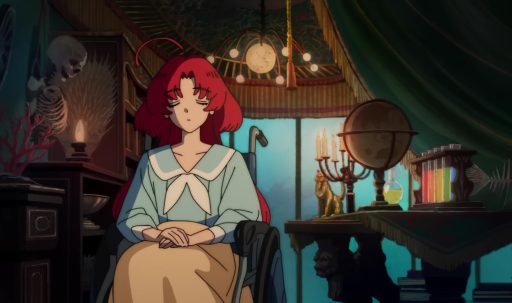
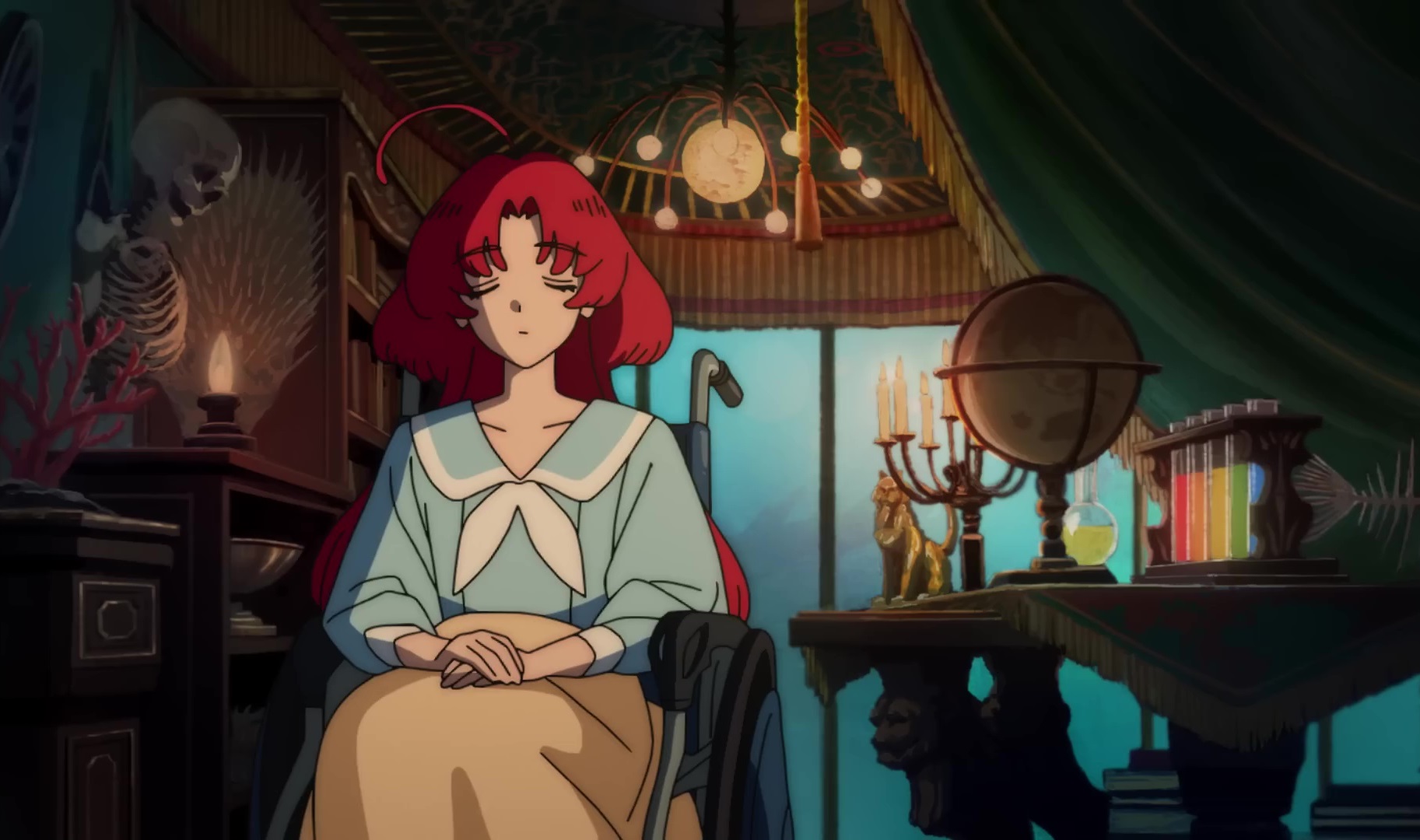
In an era where nearly every television anime is produced entirely through digital workflows, Goodbye, Lara has taken an unexpected step back in time. The original fantasy series has revealed an opening sequence that incorporates hand-painted cel animation, giving viewers a visual style that has become increasingly rare in modern anime production.
Rather than using digital techniques from start to finish, parts of the opening were created with traditional animation cels—the same process that defined countless classic anime throughout the 1980s and 1990s. The result is a sequence with a distinct texture and warmth that immediately stands out from today’s polished digital productions.
For longtime anime fans, it’s more than just a nostalgic tribute. It’s a reminder of an artistic technique that once shaped the industry’s identity before digital animation became the standard.
Blending Classic Craftsmanship With Modern Animation
Instead of treating cel animation as a gimmick, the production integrates it naturally into the opening, allowing the handcrafted scenes to complement the series’ modern visual style. Small imperfections in the painted frames, subtle color variations, and the organic movement of the animation give the sequence a unique personality that simply can’t be replicated through software alone.
The opening was storyboarded and directed by series director Takushi Koide, who used the opportunity to celebrate animation’s history while introducing audiences to the emotional tone of Goodbye, Lara. The sequence is paired with the anime’s opening theme, also titled “Goodbye, Lara,” performed by Ikimonogakari, creating an introduction that feels both nostalgic and refreshingly original.
Rather than relying on flashy action alone, the opening focuses on atmosphere, emotion, and visual storytelling, reflecting the fairy tale-inspired world the series is built around.
A Fitting Choice for a Story Inspired by The Little Mermaid
Produced by Kinema Citrus as part of the studio’s 15th anniversary celebration, Goodbye, Lara reimagines Hans Christian Andersen’s The Little Mermaid in an entirely new setting. The story follows Lara, a mermaid princess whose tragic past eventually leads to her rebirth in present-day Japan, where she begins a new chapter of her life centuries after her original fate.
Because the anime places such a strong emphasis on beauty, memory, and emotion, the decision to include traditional cel animation feels especially appropriate. The handcrafted visuals reinforce the timeless atmosphere the series aims to create while distinguishing it from many other fantasy anime airing this season.
It’s a creative decision that reflects confidence rather than nostalgia for nostalgia’s sake. Instead of simply looking backward, Goodbye, Lara uses an older animation technique to strengthen its own artistic identity.
A Rare Technique That Still Captures Attention
Traditional cel animation has become increasingly uncommon since the industry’s transition to digital production in the early 2000s. While a handful of studios occasionally recreate the look through digital filters, very few productions still incorporate genuine hand-painted cels into new television projects.
That makes Goodbye, Lara‘s opening one of the year’s most interesting artistic experiments. Fans have already praised the sequence for its distinctive appearance, with many noting how seamlessly the classic animation blends into the rest of the opening.
For Kinema Citrus, the project demonstrates that innovation doesn’t always mean adopting the newest technology. Sometimes, revisiting the techniques that helped define anime’s history can create something that feels just as fresh.
As Goodbye, Lara continues its broadcast, its opening sequence is likely to remain one of the series’ most memorable features—a beautiful reminder that even in the digital age, traditional animation still has the power to leave a lasting impression.
Sources: Goodbye, Lara anime’s’s X account, KADOKAWAanime’s YouTube channel