
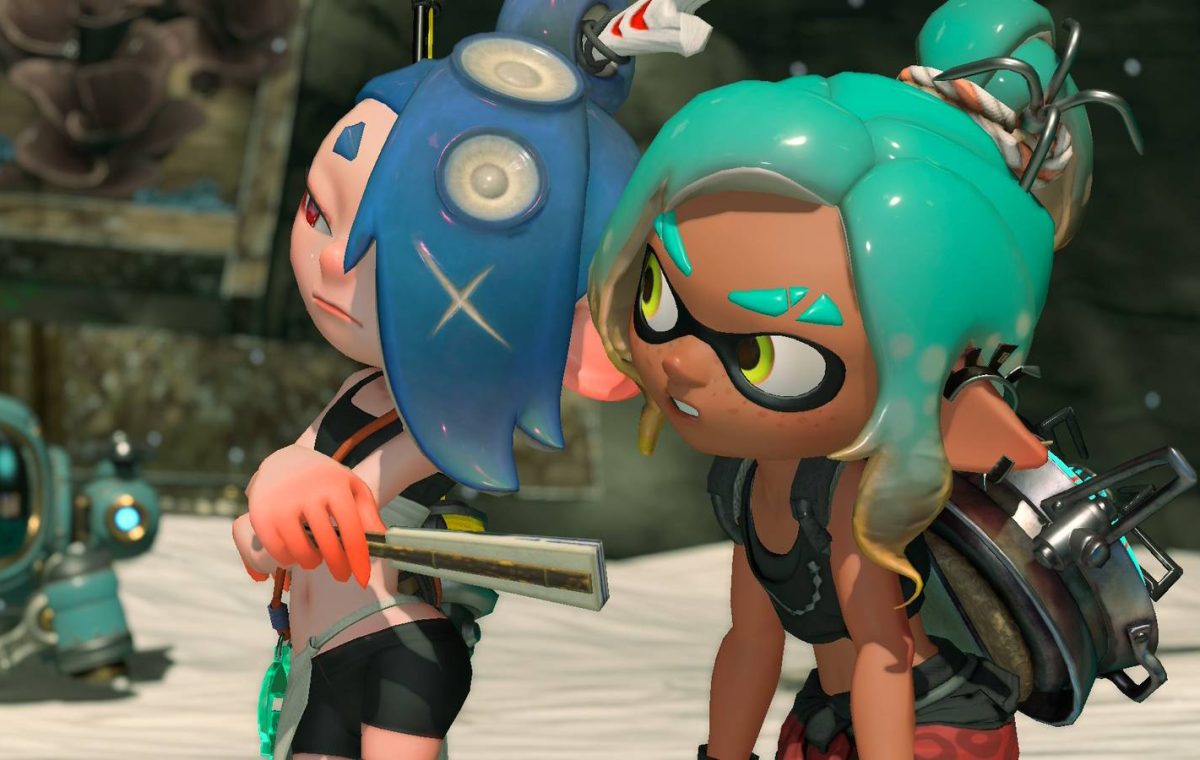

After spending more than a decade refining its multiplayer shooter formula, Nintendo has taken the Splatoon series in a substantially different direction with Splatoon Raiders.
Designed exclusively for Nintendo Switch 2, the spin-off transforms the series’ familiar ink-based combat into a single-player action RPG built around treasure hunting, equipment upgrades and customizable combat tools. Players still swim through ink, use recognizable weapons and battle Salmonids, but the structure surrounding those mechanics is much closer to a loot-driven adventure than a traditional Splatoon campaign.
The new approach is especially interesting because the three numbered Splatoon games have largely preserved the same competitive foundation. Raiders gives Nintendo an opportunity to experiment with systems that would be difficult to introduce directly into an established multiplayer environment.
Nintendo has not announced Splatoon 4, so there is no confirmation that any of these mechanics will appear in a future numbered entry. Nevertheless, three of Splatoon Raiders’ customization systems demonstrate how the next multiplayer game could offer players more freedom without abandoning the balance that keeps competitive matches accessible.
The Ink Tank System Offers More Loadout Freedom
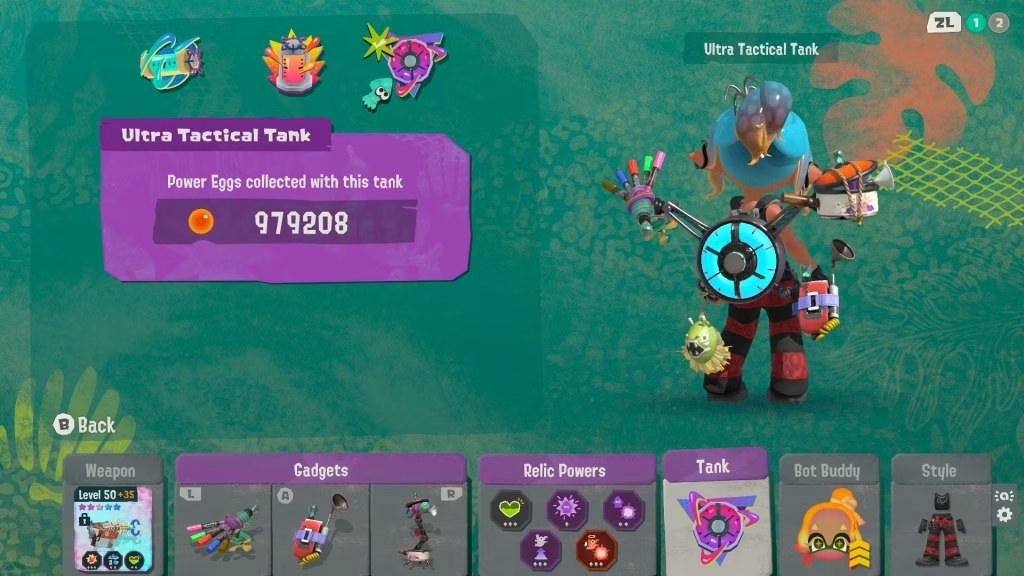
One of the largest differences between Splatoon Raiders and the main series is its approach to Ink Tanks.
Players can choose between three distinct tanks, each built around its own gadgets, combat functions and unlockable passive benefits. Nintendo’s official description confirms that every tank provides different gadgets and supports additional enhancements through equippable Relic Powers.
This is a major departure from the equipment design used in games such as Splatoon 3. In the multiplayer series, every main weapon comes with a predetermined sub weapon and special attack. A player may enjoy using a particular shooter, roller or charger while disliking one of the secondary tools permanently attached to it.
Fixed weapon kits serve an important competitive purpose. Nintendo can balance every combination as a complete package rather than accounting for every possible mixture of main weapons, sub weapons and specials.
The disadvantage is that players cannot always create a loadout that perfectly matches their preferences.
Splatoon Raiders removes much of that restriction. Choosing a tank and combining its gadgets allows players to develop a more personal combat style. A player might construct a setup based on attacking from a distance, controlling crowds or moving aggressively between groups of enemies.
The system would need significant limitations before it could work in competitive multiplayer. Allowing every main weapon to use every gadget could quickly produce combinations that dominate the game.
A future Splatoon 4 could still borrow the basic philosophy. Instead of assigning only one fixed kit to each main weapon, Nintendo could provide several carefully selected loadout options. Each weapon class might receive a limited group of compatible sub weapons and specials, giving players meaningful freedom while preventing unrestricted combinations.
Such a system would preserve competitive balance without forcing someone to abandon a favorite main weapon simply because its secondary equipment does not suit their playstyle.
Gadget Mods Add Another Layer of Customization
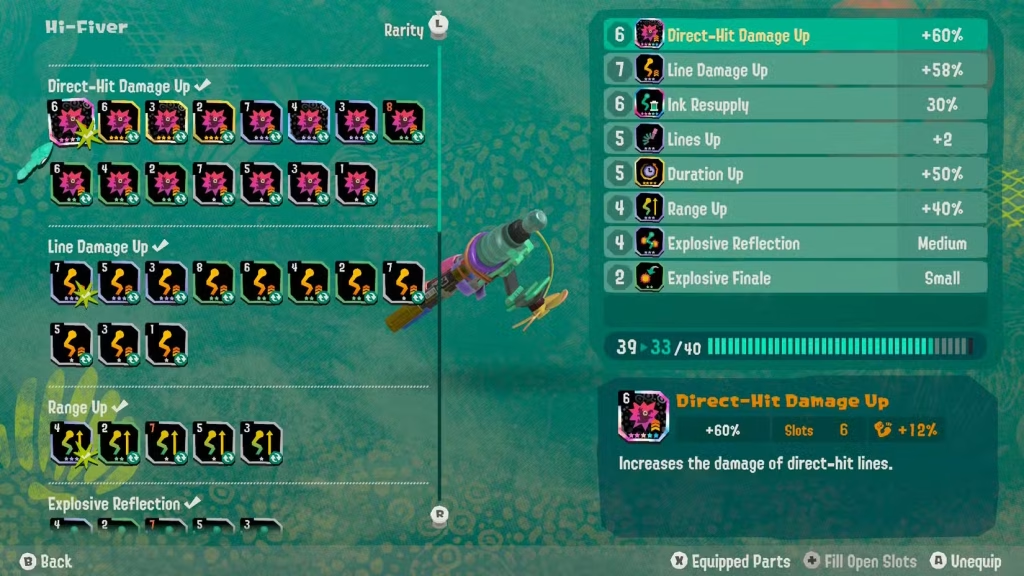
The second major idea is the ability to modify gadgets.
In Splatoon Raiders, gadgets are not necessarily locked into one permanent behavior. Mods can change or improve their functions, encouraging players to experiment with combinations that support one another.
The Polygon article highlights the Torqscrew as one example. Depending on its modifications, the turbine-like gadget can receive stronger suction, apply a weakening effect to Salmonids or finish its attack with an explosion.
Other combinations can be designed around launching enemies into the air, attacking them from a distance or creating opportunities for a weapon to deal more damage. This gives the game a build-crafting element that has rarely been present in the multiplayer entries.
Nintendo’s official material confirms that gadgets are a central part of Raiders’ combat system. Examples include the Blast Boot, which can be used for rapid attacks or retreats, and the Dash Bomb, which provides explosive movement in different directions.
The exact modification system would be difficult to transfer directly into PvP. Splatoon Raiders can let players create extremely powerful combinations because those abilities are being used against computer-controlled enemies. In competitive multiplayer, even a small advantage can affect the entire balance of a match.
A reduced version of gadget modification could still work.
Sub weapons and specials might receive a small number of controlled mod slots. Instead of dramatically increasing damage, these modifications could make minor adjustments to range, ink consumption, duration or utility.
Every available mod would need to involve a trade-off. Improving one characteristic could weaken another, preventing any option from becoming an automatic upgrade.
For example, a bomb modification might increase its effective radius while also raising its ink cost. Another could shorten the delay before detonation but reduce its damage. Players would gain new strategic options without receiving unrestricted power.
Carefully designed gadget modifications could make the multiplayer meta more expressive. Two players using the same main weapon would no longer need to approach every match in exactly the same way.
Perk Swapping Should Be Less Complicated
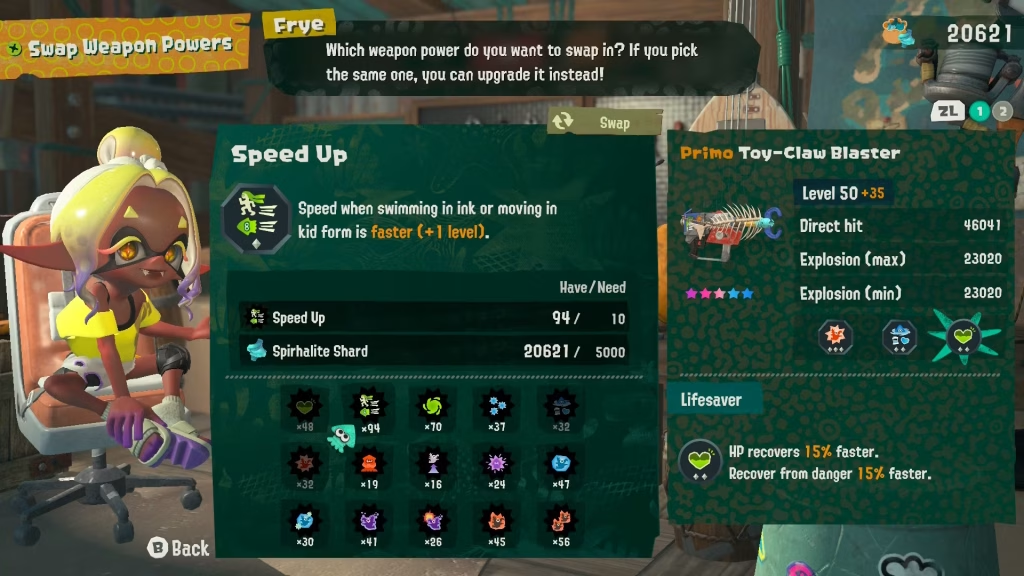
The third feature concerns how players manage abilities.
In Splatoon 3, clothing is directly connected to gameplay perks. Individual pieces of headgear, shirts and shoes contain ability slots that must be unlocked, filled or changed through a combination of playtime, Ability Chunks, Super Sea Snails and random rerolls.
The system encourages long-term progression, but it also creates unnecessary obstacles for players who simply want to test a specific build.
A player can understand exactly which abilities they need and still spend considerable time collecting resources or dealing with random results before completing the desired setup. This makes advanced customization less approachable for casual players.
Splatoon Raiders simplifies the process by separating abilities from clothing. Outfits do not determine the player’s perks. Instead, abilities occupy dedicated slots and can be exchanged directly. Weapons can also receive perks that are upgraded or changed during progression.
Players still need to earn the abilities they want, but experimenting with them becomes much easier once they are available.
That convenience may be the most realistic Raiders feature for a future multiplayer sequel to adopt.
Nintendo would not need to eliminate progression or make every ability immediately accessible. It could retain unlock requirements while removing some of the currencies, random rerolls and gear restrictions surrounding the system.
Clothing could remain cosmetic while abilities are stored in a separate loadout menu. Players might earn perks through matches and challenges, then freely assign unlocked abilities within a limited point or slot system.
This would allow newcomers to understand how builds work without requiring extensive research. Experienced players would still have opportunities to optimize their equipment, but changing strategies would no longer demand an entirely separate wardrobe.
The result could be a more welcoming competitive game that rewards experimentation rather than punishing players for investing resources in the wrong equipment.
Competitive Balance Would Remain the Main Challenge
All three ideas would create complications in a multiplayer environment.
Flexible tanks could produce dominant weapon combinations. Gadget mods could make certain attacks too powerful. Easier perk selection could cause large parts of the player base to choose the same statistically optimal abilities.
The fixed systems in Splatoon 3 exist partly because restrictions make the game easier to balance and understand. During a match, experienced players can recognize an opponent’s main weapon and immediately know which sub weapon and special attack they are carrying.
Additional customization could make that information less predictable.
Nintendo would therefore need clear visual indicators, limited combinations and meaningful disadvantages for stronger options. The goal should not be to copy the action RPG systems exactly, but to adapt their flexibility to the requirements of competitive play.
Splatoon Raiders Could Become a Testing Ground for the Series
Splatoon Raiders shows that the franchise can support more extensive character building than its numbered entries have offered so far.
Its Ink Tank loadouts encourage players to combine different tools. Gadget mods create unusual combat interactions, while its simplified ability system makes changing builds less frustrating. Together, these mechanics make player expression a much larger part of the experience.
None of this confirms Nintendo’s direction for Splatoon 4. The next numbered game has not been officially announced, and the systems designed for a single-player spin-off cannot simply be inserted into competitive multiplayer without major changes.
Even so, Raiders provides a strong demonstration of how the series could evolve.
A future Splatoon game would not need to become a full action RPG or hero shooter. Limited tank customization, balanced gadget mods and a clearer perk system could be enough to make its familiar multiplayer formula feel significantly fresher.
After three games built around predetermined weapon kits and clothing-based abilities, a more flexible approach could make the next Splatoon the series’ most customizable competitive shooter yet.





Comments
Share your opinion and keep the conversation respectful.